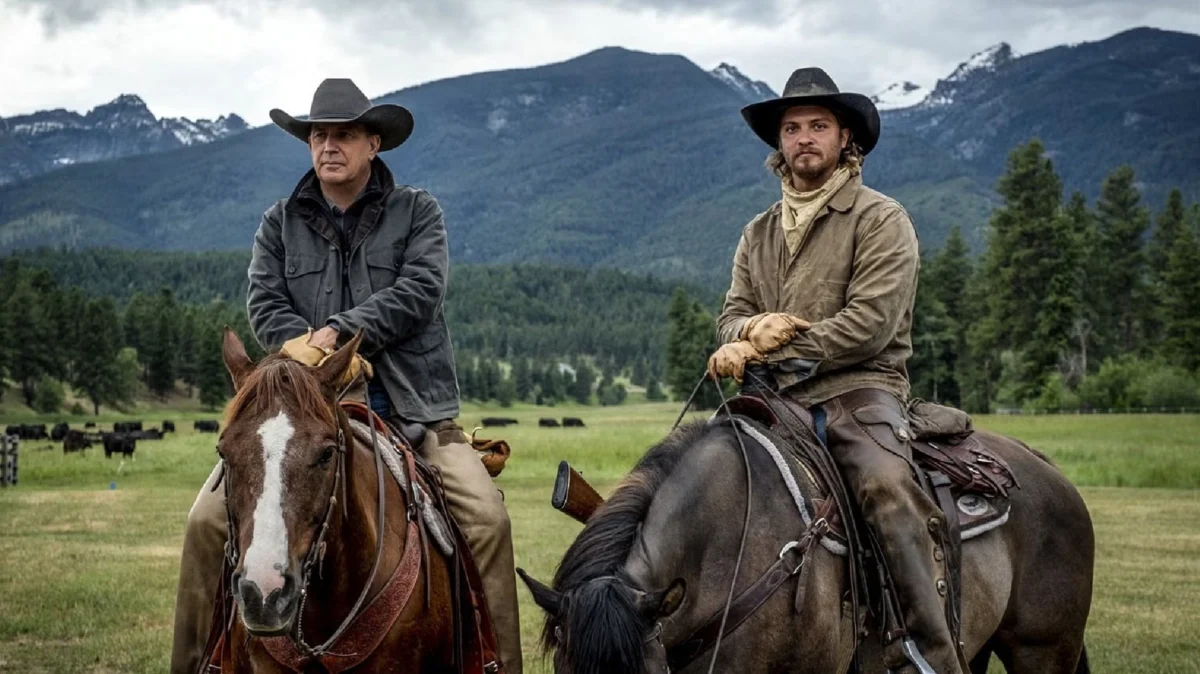
Taylor Sheridan’s neo-Western juggernaut Yellowstone carved a bloody, uncompromising path across the American frontier throughout its historic run on the Paramount Network. Defined by high stakes, vast Montana landscapes, and an unyielding code of survival, the series succeeded largely because no character—regardless of their billing or narrative importance—was ever truly safe.
In a world where power is measured in acreage and blood, the threat of sudden, unceremonious death was always just around the corner. While Yellowstone occasionally suffered from sprawling subplots that drifted into narrative cul-de-sacs, its deployment of violence remained a masterclass in tension. The series understood a fundamental rule of storytelling: true brutality is rarely just about gore. Instead, it is born from timing, psychological terror, and the profound violation of trust.
Examining the most visceral demises in the show’s history reveals how Sheridan utilized violence not merely for shock value, but to punctuate the thematic decay of the American West. Here is a comprehensive breakdown of the five most brutal deaths in Yellowstone, ranked by their psychological impact, narrative weight, and sheer cruelty.
Main Facts: The Anatomy of Violence in Sheridan’s West
The violence of Yellowstone exists within a distinct ecosystem. Unlike traditional network television, where shootouts often serve as perfunctory plot devices, the deaths in Yellowstone are deeply personal. They are tied directly to the land, corporate greed, ancient tribal grievances, and family loyalty.
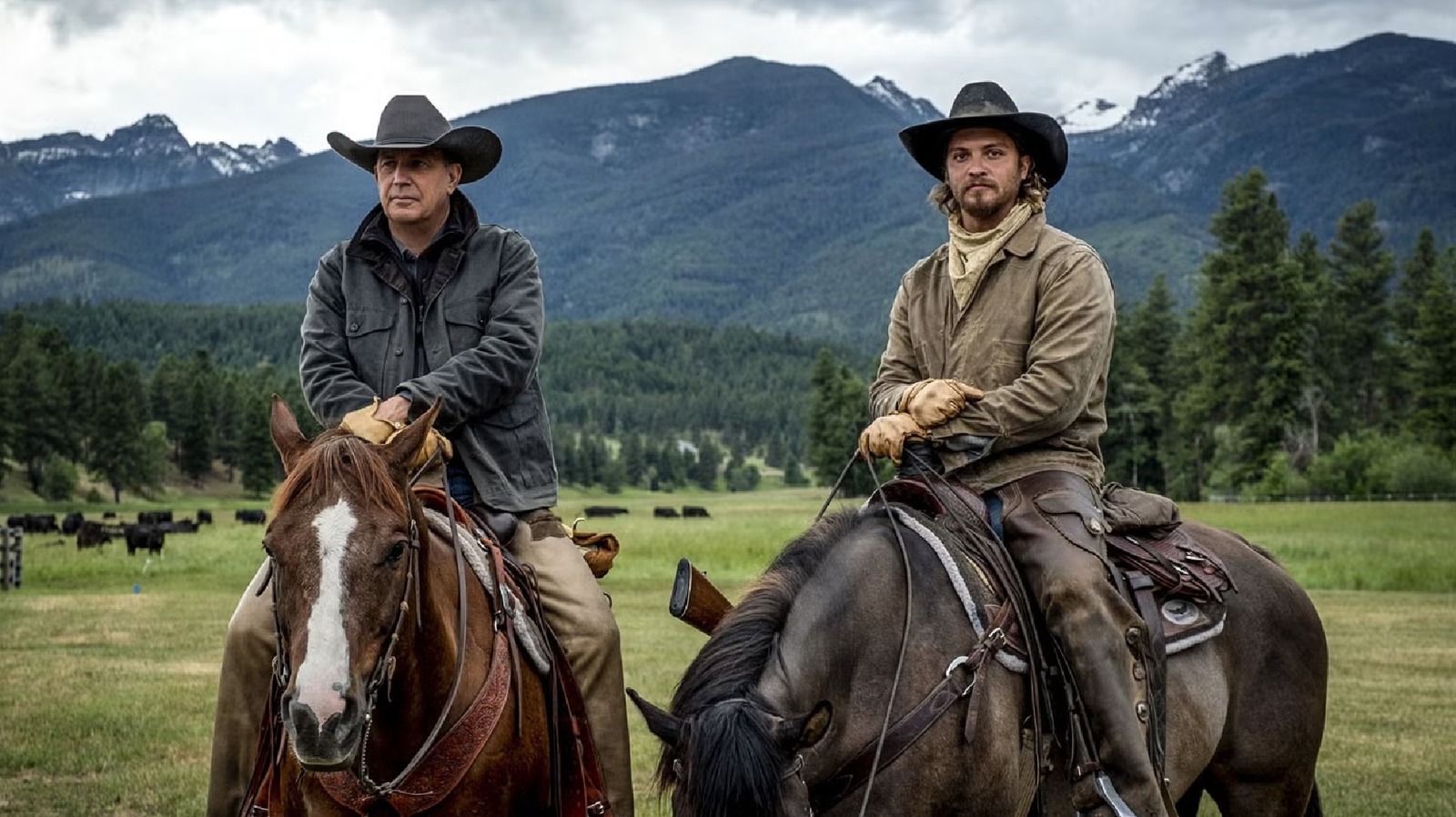
From corporate fixers to rogue ranch hands, the series established early on that crossing the Dutton family or threatening the sanctity of the Yellowstone Dutton Ranch invited swift and irreversible retribution. The five deaths analyzed below stand out not merely for the physical trauma inflicted upon the victims, but for what those moments say about the moral rot eating away at the characters who orchestrate them.
Chronology of Carnage: The Timeline of Execution
To understand how Yellowstone escalated its stakes over five seasons, one must trace the chronological evolution of its most disturbing executions. The progression reveals a shift from localized, personal revenges to calculated, cold-blooded assassinations that spanned corporate boardrooms and quiet Montana highways.
5. Teal Beck’s Humiliating End (Season 2, Episode 10: "Sins of the Father")
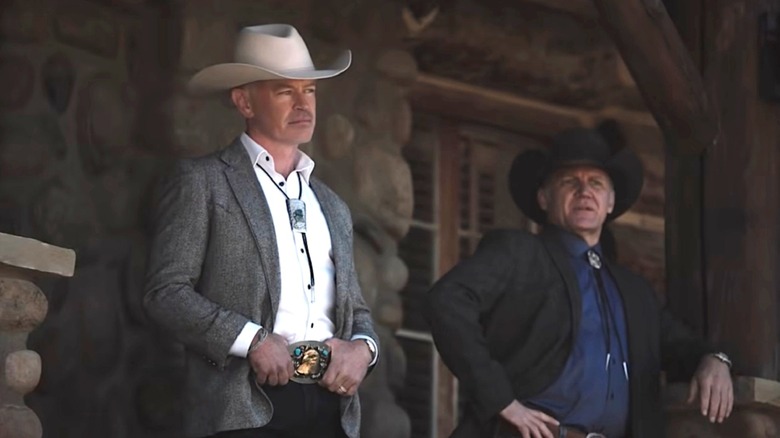
The feud between the Dutton family and the white supremacist Beck brothers reached its boiling point at the end of Season 2. After Teal (Terry Serpico) and Malcolm (Neal McDonough) kidnapped Kayce and Monica’s son, Tate, the Duttons launched an all-out war of reclamation.
In the finale, Kayce tracks Teal to his residence, slipping inside with a silenced pistol. He breaches an upstairs bathroom to find Teal sitting on the toilet, casually reading a newspaper. A swift, non-fatal shot to the abdomen neutralizes any resistance, turning the confrontation into an interrogation. Terrified and bleeding, Teal leaks the location of young Tate through tears and desperate pleas before Kayce executes him anyway.
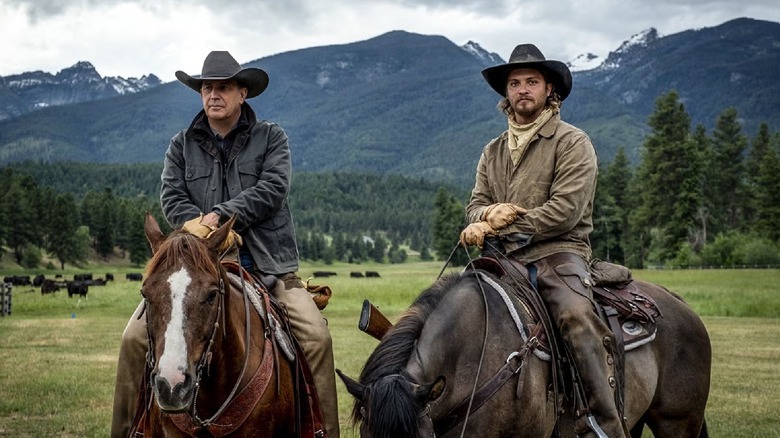
While the physical violence is relatively muted compared to later seasons, the death ranks among the most brutal due to its sheer humiliation. To catch a formidable antagonist in such a vulnerable, unheroic posture—and to have him whimper for his life before being put down—stripped away whatever lingering aura of menace the Beck brothers possessed.
4. Roarke Morris’s Unusually Sadistic Ambush (Season 4, Episode 1: "Half the Money")
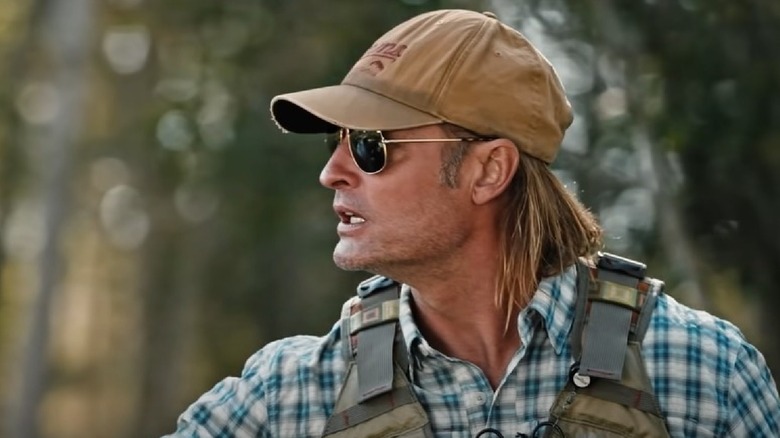
Corporate attorney Roarke Morris (Josh Holloway) proved to be a slippery, formidable opponent for the Duttons as he represented Market Equities’ interests in acquiring Montana land. However, his interference came to a horrifyingly abrupt end in the Season 4 premiere.
While Roarke is casually fly-fishing by a river, Rip Wheeler (Cole Hauser) approaches carrying a cooler. Presenting it as a "gift from Yellowstone," Rip opens the container, releasing a rattlesnake that instantly strikes Roarke directly in the face. Rip stands silently on the riverbank, watching as the neurotoxic venom takes effect, causing Roarke to convulse and collapse in agonizing slowness.
The execution was notable for its dark, poetic cruelty. While staged to look like a tragic outdoor accident, the murder was a calculated, sadistic act of retribution by a loyalist clearing the board of perceived threats. It later emerged that Garrett Randall—not Roarke—was the true mastermind behind the coordinated attacks on the Dutton family, rendering Roarke’s agonizing demise the result of an unfounded hunch.
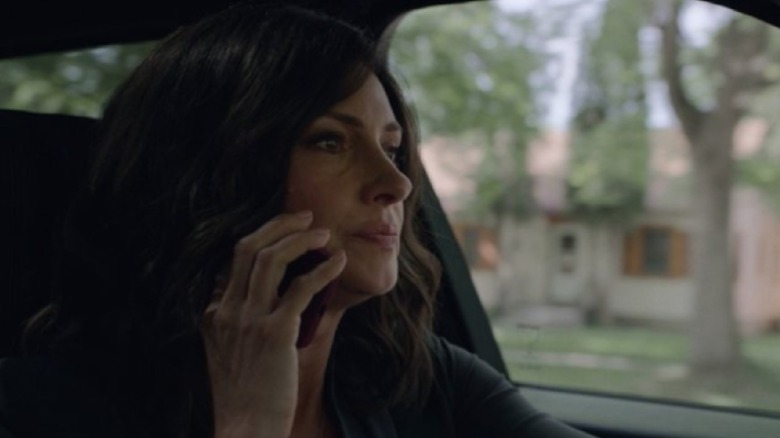
3. Monica’s Attacker and the Reality of Indigenous Trauma (Season 3, Episode 8: "I Killed a Man Today")
While many Yellowstone deaths focus on the core cast’s interpersonal vendettas, Season 3 addressed a harrowing real-world crisis: the epidemic of missing and murdered Indigenous women (MMIW).
In this episode, Monica Dutton (Kelsey Asbille) willingly acts as bait in a dangerous sting operation along a desolate Montana highway. Posing with a disabled vehicle, she draws the attention of an unnamed local predator. The man lures her to an isolated area and physically overpowers her, setting off a wave of intense psychological dread. Before he can inflict irreversible harm, Mo (Mo Brings Plenty)—acting as a sniper—ends the threat with a single, devastatingly precise headshot.
The brutality of this moment lies not just in the visceral, two-angle framing of the messy headshot, but in the thematic weight it carries. The immediate discovery of the killer’s hidden victims added a chilling layer of realism, grounding the show’s heightened melodrama in a devastatingly authentic societal tragedy.
2. Wade Morrow’s Act of Treatment and Retribution (Season 3, Episode 9: "Meaner Than Evil")
Loyalty is the primary currency on the Yellowstone ranch, and treason is punished with absolute finality. Wade Morrow (Ghosts), a former ranch hand who turned his back on John Dutton to side with Market Equities and Roarke Morris, learned this lesson in the most agonizing fashion possible.

After Wade and his son, Clint, violently attacked ranch hands Colby and Teeter while they swam in a river, John Dutton authorized immediate retaliation. Rip Wheeler, Walker (Ryan Bingham), and Lloyd Pierce (Forrie J. Smith) hunted the duo down. Clint was killed in the crossfire, but Wade was captured alive.
In a horrifying act of frontier justice, Walker used a blade to physically carve the iconic "Y" brand off of Wade’s chest, stripping him of his connection to the ranch before the group lynched him. The removal of the brand was a symbolic and physical mutilation that emphasized that anyone who broke their blood-oath to the Dutton empire would be completely erased.
1. Sarah Atwood’s Jarring Point-Blank Execution (Season 5, Episode 11, "Three Fifty-Three")
Taking the top spot for its sheer abruptness and emotional fallout is the execution of corporate strategist Sarah Atwood (Dawn Olivieri). Following a turbulent argument with her lover and puppet, Jamie Dutton (Wes Bentley), Sarah climbs into her car and attempts to drive away.
As Jamie calls her phone to continue their conversation, another vehicle pulls alongside her window. The occupants ask to confirm her identity. The moment she answers in the affirmative, a gunman raises a pistol and executes her point-blank with rounds to the head and chest.
For Sarah, the death was mercifully swift—devoid of the prolonged torture seen in other episodes. However, what elevates this scene to the most brutally effective death in the series is the agonizing framing of Jamie Dutton’s reaction. Wes Bentley delivers a harrowing performance as Jamie listens in real-time over the phone to the murder of the woman he loved. The psychological horror of hearing your partner’s assassination broadcast through a phone speaker, coupled with the tragic irony that Sarah was likely eliminated because her attempts to orchestrate John Dutton’s murder made her a corporate liability, solidifies this as the series’ most jarring demise.
Supporting Data: The Mechanics of Dramatic Tension in Modern Westerns
To analyze why these deaths resonated so deeply with audiences, media analysts often look at the intersection of pacing, cinematography, and character vulnerability.
- The Element of Surprise vs. Inevitability: Yellowstone mastered the balance between sudden shock (Sarah Atwood) and slow-burn vengeance (Wade Morrow).
- Audience Investment: Deaths that involved betrayals of institutional trust—such as Wade Morrow’s brand excision—generated higher viewer retention because they threatened the foundational mythos of the ranch itself.
- Theatrical Realism: Unlike traditional cable dramas that rely on excessive physical gore, Yellowstone’s most effective scenes utilized psychological claustrophobia, quiet landscapes, and stark silence to amplify the horror of sudden loss.
Official Responses and Behind-the-Scenes Insights
The creative minds behind Yellowstone, including co-creator Taylor Sheridan and the primary ensemble cast, have frequently spoken about the demanding nature of bringing such visceral stories to life.
Speaking on the uncompromising fate of characters who cross the Dutton family, the production team has emphasized that the harshness of the show’s universe is a deliberate reflection of the American frontier mythos. Actors such as Wes Bentley and Cole Hauser have noted in post-episode featurettes that shooting these high-intensity sequences requires an immense level of emotional and physical preparation, particularly when filming scenes that blur the lines between corporate espionage and brutal frontier justice.
Executives at Paramount Network have consistently attributed the show’s record-breaking ratings to this willingness to push narrative boundaries, allowing characters to face genuine, irreversible consequences for their actions in a landscape where law enforcement is often miles away.
Implications: The Legacy of Yellowstone’s Brutality
As the sun sets on the primary narrative arcs of Yellowstone, the legacy of its violence leaves a lasting imprint on modern television. The series proved that the neo-Western genre remains a viable, lucrative vehicle for exploring dark themes of power, land ownership, and moral compromise.
The brutal demises of characters like Sarah Atwood, Wade Morrow, and Teal Beck serve a dual purpose within the narrative. On one hand, they provide immediate, visceral gratification for an audience rooting for the survival of the Dutton dynasty. On the other hand, they act as a stark reminder of the corrosive nature of power. Every execution leaves the ranch slightly more isolated, staining the Montana soil deeper red and proving that in Sheridan’s West, empire-building always demands a horrific human toll.