Main Facts
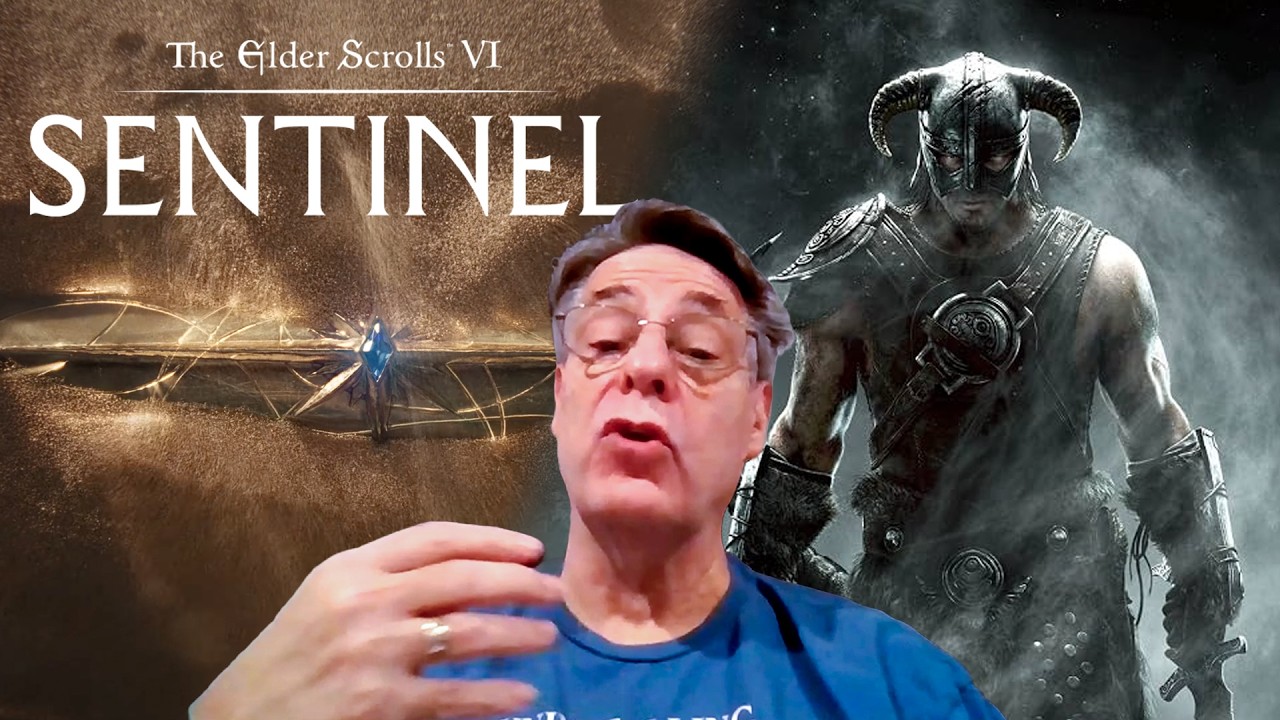
In a recent appearance on The Examined Game podcast, Bruce Nesmith, the lead designer behind Bethesda’s monumental open-world RPG The Elder Scrolls V: Skyrim, shared his perspective on Larian Studios’ critically acclaimed hit, Baldur’s Gate 3. Nesmith offered a candid comparison between Bethesda’s long-standing design philosophy—which prioritizes total player freedom and the ability to experience all major content on a single character—and Larian’s rigid, consequence-driven approach to storytelling.
Rather than viewing these two contrasting philosophies as mutually exclusive, Nesmith expressed pleasant surprise at how deeply satisfying it is to make consequential decisions that permanently lock players out of alternative narrative paths. This dialogue has reignited industry-wide discussions regarding the balance between sandbox freedom and meaningful narrative stakes in contemporary role-playing games, particularly as fans look ahead to titles like The Elder Scrolls 6.
Chronology: The Evolution of RPG Design Philosophy
To fully understand the weight of Nesmith’s comments, it is necessary to examine how the design paradigms of Western role-playing games have shifted over the last two decades:
- The Early 2000s (The Golden Era of Choice): Games like Bethesda’s The Elder Scrolls III: Morrowind (released in 2002) frequently utilized mutually exclusive faction paths. Players had to choose between the Mages’ Guild and House Telvanni, or actively sabotage rival groups, creating a world where allegiance mattered.
- The 2010s (The Era of Unrestricted Freedom): With the massive commercial successes of Fallout 3, Skyrim, and Fallout 4, Bethesda solidified its signature design philosophy: let the player do everything. A single Dragonborn could simultaneously lead the Companions, the Thieves’ Guild, the Dark Brotherhood, and the College of Winterhold without facing narrative friction or ideological conflicts.
- August 2023 (The Release of Baldur’s Gate 3): Larian Studios released Baldur’s Gate 3, a CRPG deeply rooted in Dungeons & Dragons rule sets. The game was widely praised for its reactive world, where major choices permanently locked players out of entire questlines, companions, and regions, forcing replayability.
- Late 2023 to Present (The Industry Reflection): Industry veterans, including former Bethesda architects like Nesmith, began openly reassessing the industry’s obsession with unhindered player freedom, acknowledging that hard choices can enhance emotional engagement.
Supporting Data and Comparative Analysis
The debate between Bethesda’s "play everything" model and Larian’s "consequences matter" model touches upon core metrics of player engagement and game design theory:

- Player Replayability: According to Steam achievement statistics and platform data, Baldur’s Gate 3 boasts exceptionally high completion and replay rates, largely driven by the desire to see content that was blocked off during previous playthroughs due to moral or narrative choices.
- Content Consumption: In Skyrim, internal player metrics historically showed that a vast majority of active players completed multiple guild storylines on their primary save files, maximizing immediate content consumption per playthrough.
- Historical Precedents within Bethesda: While Skyrim largely abandoned strict faction lockouts, earlier titles and specific expansions proved that Bethesda is not entirely a stranger to locked doors. For instance:
- The Civil War Questline: Players must choose definitively between the Stormcloaks and the Imperial Legion, permanently locking out the opposing side’s territory control.
- The Dawnguard Expansion: Players choose to side with the Dawnguard or Lord Harkon’s vampire court.
- The Dark Brotherhood: Players are given the option to destroy the guild entirely during the "Destroy the Dark Brotherhood!" questline rather than joining them.
Official Responses and Industry Perspectives
Bruce Nesmith’s commentary highlights a mature perspective from a veteran developer who is no longer directly steering the ship at Bethesda Game Studios (having departed the company prior to the release of Starfield).
"The surprises come with the little things, not the big things," Nesmith remarked during the podcast. Reflecting on his deep roots with Dungeons & Dragons, he praised Larian Studios for bringing fantasy rule sets to life so successfully.
"Bethesda games have always had the philosophy of, let the player play everything… But I was pleasantly surprised to see how positive it felt to me to make consequential decisions that closed off gameplay in Baldur’s Gate… I felt like the decisions I made had more meaning in certain ways, because there were actual consequences."
Nesmith ultimately concluded that developers do not need to choose just one philosophy for the entire medium. "The lesson learned is: You can have both. I can enjoy this game over here that does it this way, and enjoy this game over here that does it that way."
Industry analysts and critics have largely echoed these sentiments. Observers note that while sandbox freedom allows players to unwind and indulge in unbridled fantasy fulfillment without bureaucratic or moral roadblocks, structure and narrative pushback create memorable dramatic tension.
However, critics also caution that content-blocking choices must be executed carefully. Poorly designed mutually exclusive paths—such as those found in some older CRPGs or criticized in titles like The Witcher 2: Assassins of Kings—can sometimes feel artificial or punitive rather than organic, a pit avoided when executed with the narrative depth seen in modern masterpieces like Cyberpunk 2077: Phantom Liberty or Baldur’s Gate 3.
Implications for the Future of RPGs (Including The Elder Scrolls 6)
As Bethesda Game Studios continues development on its highly anticipated next installment, The Elder Scrolls 6, Nesmith’s reflections offer a fascinating lens through which to view the future of the franchise.
For over a decade, fans have debated whether Bethesda should modernize its quest design by introducing more meaningful choices and consequences. While Bethesda’s core identity relies on being a blank-slate sandbox where players can roleplay however they see fit—often leaving stricter moral limitations to community-created mods—there is clearly room for hybrid design frameworks.

If The Elder Scrolls 6—rumored to take place in regions like Hammerfell—can successfully blend Bethesda’s signature environmental storytelling and open-ended exploration with tighter, high-stakes faction rivalries akin to Morrowind or the localized choices of Skyrim’s Civil War, it could represent a watershed moment for the genre.
Ultimately, Nesmith’s praise for Baldur’s Gate 3 proves that great game designers are continuous learners. By recognizing the emotional value of closed doors and permanent consequences, the gaming industry moves closer to an era where sandbox freedom and narrative depth no longer have to compete—they can coexist, enriching the virtual worlds players spend hundreds of hours exploring.