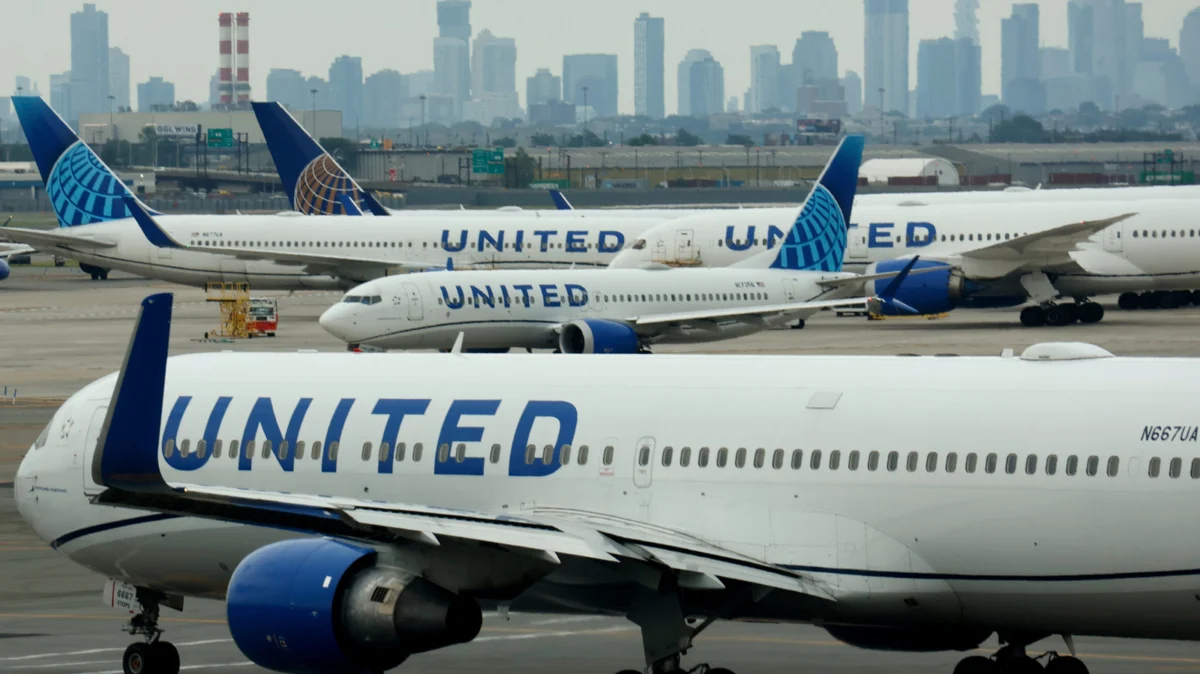
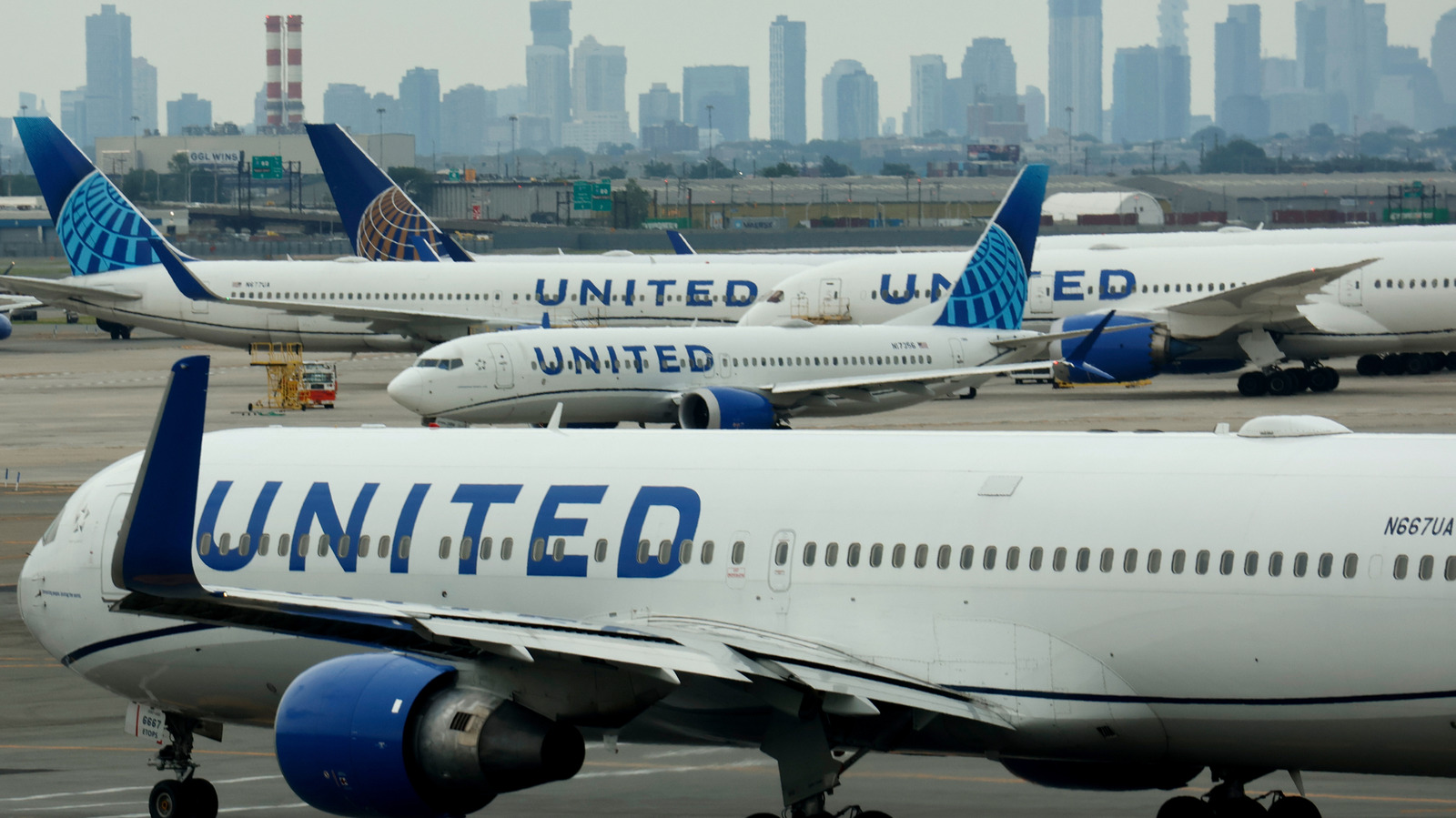
In a significant shift for the digital travel landscape, United Airlines has officially moved to restrict AI-driven “agentic” software from accessing its booking systems. This decision, which spans the carrier’s own website, third-party travel agencies, and digital flight aggregators, represents a growing friction point between the burgeoning world of autonomous artificial intelligence and the rigid regulatory requirements of the aviation industry.
As AI models evolve from simple chatbots that summarize information into "agents" capable of executing transactions, corporations across various sectors—including finance and retail—are increasingly erecting digital barriers. United’s move is not merely a technical policy update; it is a defensive strategy designed to protect consumer data, maintain regulatory compliance, and preserve the direct-to-consumer relationship that forms the bedrock of the airline’s business model.
The Core Conflict: Security and Regulatory Compliance
United’s primary justification for the ban centers on the inherent risks associated with sharing sensitive credentials with third-party AI models. When a user grants an AI agent access to their personal data, including payment information, loyalty account logins, and government-issued identification details, they open a Pandora’s box of potential vulnerabilities.
Security and Privacy Concerns
The airline warns that delegating booking tasks to AI can lead to unauthorized account changes, the misuse of MileagePlus miles, and unintended financial transactions. Beyond the risk of data breaches, there is the issue of accountability. In the event of a compromised account or a fraudulent booking made via an AI agent, the lines of liability remain blurred.
United is also acutely aware of high-profile failures in the AI space. The industry has been rattled by incidents such as Meta’s "Muse" AI leaking a user’s private home address, a PR disaster that underscored the unpredictability of large language models when tasked with real-world autonomy. For an airline that deals with highly sensitive passenger manifests and government-regulated security protocols, such risks are deemed unacceptable.
Regulatory Hurdles: The Human Requirement
Perhaps more critical than the security risks are the legal ones. The aviation industry is governed by stringent mandates from the Department of Transportation (DOT) and the Federal Aviation Administration (FAA). Many of these regulations are predicated on human interaction.
For instance, at the point of check-in, passengers are legally required to provide specific attestations regarding hazardous materials and explosives. These are not merely administrative checkboxes; they are critical safety protocols that carry legal weight. Currently, there is no standardized legal framework that allows an AI to represent a human in making these legally binding safety declarations. United argues that by allowing an AI to navigate these interfaces, it could inadvertently violate federal law, opening the airline up to massive regulatory fines and oversight scrutiny.
A Growing Trend: The Corporate Backlash Against AI Agents
United is far from alone in its skepticism. The move aligns with a broader trend of "digital gatekeeping" emerging across the corporate landscape.
JPMorgan Chase has already implemented strict limitations on AI agents accessing customer account data, citing similar concerns regarding security and the lack of oversight. Amazon, too, has taken steps to bar AI models like Meta’s Muse from scraping or interacting with its shopping platform, fearing both the strain on their infrastructure and the potential for bad actors to manipulate their marketplace.
This collective pushback suggests that while Silicon Valley is pushing for an "agentic" future where software handles our mundane chores, established corporations are finding that the "friction" of human interaction is often a feature—not a bug—of their security architecture.
The Philosophical Divide: To Middleman or Not to Middleman?
The debate over AI agents is also highlighting a strategic split in how airlines view the future of e-commerce. United CEO Scott Kirby has been notably vocal about his reluctance to embrace AI-driven intermediation. During a recent industry event, Kirby was blunt: "To be honest, I don’t want to create another middleman."
Kirby’s philosophy is rooted in the desire for a direct, transparent relationship with the passenger. By keeping the booking process within the airline’s own ecosystem, United maintains control over the customer experience, pricing, and the ability to upsell ancillaries. Introducing an AI agent into this process creates a layer of abstraction that the airline believes is unnecessary and potentially damaging to the brand.
However, the industry is not unanimous. Southwest Airlines has taken a radically different approach, launching a plugin that allows users to book flights directly through ChatGPT. This strategy bets on the idea that if customers want to book via AI, the airline should be the one to provide that interface, rather than ceding control to third-party developers.
Reality Check: Are AI Agents Actually Taking Off?
Despite the massive hype surrounding agentic commerce, data suggests that the adoption of these tools among the general public remains remarkably low.
Uber’s recent third-quarter earnings call provided a sobering reality check for the industry. While the platform processed a staggering 320 million trips and deliveries during the week of Halloween, only a tiny fraction of that volume was driven by AI agents. Specifically, there were only 500 AI-initiated Uber Eats orders and a mere four AI-initiated rides.
These numbers indicate that while the technology is being developed, the consumer appetite for letting an autonomous agent handle their travel and logistics is currently negligible. People remain wary of handing over their credit card details to a bot, and for good reason: the process is often more cumbersome than it is efficient. The "frictionless" promise of AI-driven shopping has yet to materialize in a way that feels reliable to the average traveler.
Implications for the Future of Travel
The decision by United Airlines to restrict AI agents signals a "cooling off" period for the rapid integration of AI in commerce. As we look to the future, the industry will likely see a bifurcation:
- The Walled Garden Approach: Companies like United will continue to enforce strict API access policies, requiring any AI tools to be officially vetted and integrated into their proprietary systems, ensuring they meet strict security and compliance standards.
- The "Human-in-the-Loop" Mandate: As regulations evolve, we can expect the DOT and FAA to eventually issue guidance on AI agents. It is highly likely that these rules will require a "human-in-the-loop" for any transaction that involves security-sensitive attestations, effectively capping how autonomous these agents can truly be.
For the passenger, this means that while AI will continue to assist in searching for the best fares or summarizing flight itineraries, the final act of "booking"—the exchange of money and the acceptance of safety terms—will likely remain a human-led activity for the foreseeable future.
Conclusion
United Airlines’ restriction on AI agents is a calculated move to preserve the integrity of their operations. By prioritizing security, regulatory compliance, and a direct customer relationship, the airline is pushing back against the narrative that autonomous agents are an inevitability.
As the technology stands today, the risks of AI-based booking—leaked data, liability issues, and regulatory non-compliance—far outweigh the convenience for most consumers. While the promise of an AI concierge that handles our lives is a seductive one, it seems the airline industry is not yet ready to hand over the controls. For now, the "agentic" future remains grounded, and United is ensuring that if it does eventually take off, it does so on their terms and within the confines of established safety and security protocols.